

Easy New Year’s Goals for Kids (That Keep Things Positive)
A new year always feels like a fresh breath of possibility, and it’s such a sweet time for families to reset together. Kids may be little, but they’re already building the habits and confidence that shape who they’re becoming—and setting simple, age-appropriate resolutions is a gentle way to help them grow.
The secret is keeping things really manageable. Instead of asking kids to stick with one big goal all year long (which can feel overwhelming, even for adults), try using a quarterly rhythm. That just means choosing one small goal for the next three months—January to March, April to June, July to September, or October to December. A three-month window feels approachable for kids, and it gives them enough time to practice something new without losing interest.
When the quarter wraps up, you simply celebrate whatever progress they made and pick a fresh goal for the next season. It keeps things positive, playful, and flexible—and helps kids learn that growth happens one little step at a time.
With that spirit in mind, here are uplifting, age-by-age ideas to help kids step into the new year feeling confident, capable, and excited for what’s ahead.
Preschoolers (ages 3–5)
These little learners are naturally curious, so this age is perfect for tiny goals that fit right into playtime and daily routines. Keeping things hands-on and fun helps them feel proud of what they’re learning without any pressure.
Education / Early Learning
-
Play with letters, shapes, and colors. Work them into games, bath time, or outdoor adventures so it feels playful, not structured.
-
Look at a book together each night. Even a few minutes of snuggly reading builds language skills and creates a cozy routine.
-
Learn a new word or animal sound each week. Keep it silly—kids this age love to show off their new “tricks.”
Finances
-
Care for their belongings. Simple habits like putting toys away help them understand responsibility in a playful, age-appropriate way.
-
Use a “saving and sharing” jar. With your help, they can begin learning what it means to save for something special and share with others.
Physical Health
-
Try a new fruit or veggie once a week. Snacking containers make it easy to offer a mix of familiar favorites and something new.
-
Move their bodies in fun ways. Jumping, stretching, wiggling, and dancing all count—bonus points if you join in.
Family / Relationships
-
Help with tiny household tasks. Matching socks, wiping the table, or stirring pancake batter gives them a sense of pride.
-
Practice kind words. Encouraging gentle communication during play builds social skills early.
Social Life
-
Take turns during play. A small but mighty social skill at this age.
-
Say something friendly to a classmate or playmate. Even a simple “Hi!” builds confidence.
Personal Development
-
Explore a new craft or sensory activity. Play-dough, stickers, finger paint—whatever sparks curiosity.
-
Practice a calming breath. A sweet technique like “smell the flower, blow the candle” gives them tools for big feelings.
Spirituality / Mindfulness
-
Share something they’re grateful for. Keep it light—favorite toys, snacks, or people all count.
-
Enjoy a quick quiet moment before bed. A soft pause with deep breaths or snuggles helps them wind down peacefully.
Early Elementary (ages 6–8)
Kids in this stage are gaining independence and getting curious about the world in new ways. Simple, confidence-building goals help them feel capable and proud, especially when they can take the lead on small tasks themselves.
Education / Career Exploration
-
Read for a 10 minutes each day. Independent reading or reading with you both count.
-
Pick a monthly “something I want to learn.” It keeps curiosity fun and low-pressure—anything from dinosaurs to drawing.
-
Build a backpack or homework routine. A quick tidy-up or check-in each afternoon helps them feel organized.
Finances
-
Start an allowance or chore-earning system. Keep it simple and consistent.
-
Save for a small goal. A sticker sheet or jar helps them see their progress.
-
Choose one toy or book to donate. It’s a sweet introduction to generosity.
Physical Health
-
Pack their own snacks for school. Snacking containers make it easy for them to mix favorites with new choices.
-
Pick a fun activity to do regularly. Scooters, dance-alongs, or playground time are great energy outlets.
Family / Relationships
-
Take ownership of one weekly household job. Wiping counters or feeding a pet builds responsibility.
-
Share a “favorite part of my day” at dinner. It strengthens connection and reflection.
Social Life
-
Plan a playdate or invite a friend to an activity. Helps them practice social confidence.
-
Include someone new at recess. A small act that can make a big difference.
Personal Development
-
Learn a small life skill. Tying shoes, making their beds, folding towels—tiny steps toward independence.
-
Make a short list of things they want to get better at. It helps them practice self-awareness in a positive way.
Spirituality / Mindfulness
-
Keep a simple gratitude journal. Drawings, words, or stickers all count.
-
Have a weekly quiet-time reset. A few minutes of calm helps them learn to pause and breathe.
Tweens (ages 9–12)
Tweens are starting to stretch their independence and explore what they're genuinely interested in. They’re capable of handling bigger responsibilities, and they love goals that feel meaningful, practical, and a little more “grown-up.”
Education / Career Exploration
-
Keep school materials organized independently. Think planners, color-coding, or digital reminders—whatever fits their style.
-
Choose one academic skill to strengthen this quarter. Maybe multiplication mastery, deeper reading, or improving science notes.
-
Explore real-world interests. Cooking, DIY projects, coding, photography, or crafting—activities that help them discover what they love.
WW tie-in: let them measure ingredients or help lead a simple recipe.
Finances
-
Track allowance or gift money more intentionally. A notebook, notes app, or spreadsheet makes it feel legit.
-
Save toward a bigger, meaningful purchase. Headphones, art supplies, sports gear—something they truly care about.
-
Support a cause they connect with. Donating a small amount or participating in a service activity builds awareness.
Physical Health
-
Prep or pack part of their lunches. Snacking containers make portions easy and let them choose foods they enjoy.
-
Commit to a movement hobby. Dance, martial arts, running club, rock climbing, or something that feels “their thing.”
-
Build in a daily movement break. A quick stretch, a short walk, or a few minutes of outdoor time to reset.
Family / Relationships
-
Take responsibility for a consistent household task. Something that genuinely helps—laundry cycles, vacuuming, or helping with dinner.
-
Practice thoughtful communication. Using “I” statements, active listening, and learning to handle disagreements respectfully.
Social Life
-
Join a club, team, or interest group. Robotics, art club, sports, theater—something aligned with who they’re becoming.
-
Strengthen one positive friendship. Intentionally reaching out, making plans, or showing support.
Personal Development
-
Learn a skill that feels grown-up. Basic cooking, budgeting, bike maintenance, coding, or playing an instrument.
-
Create a quarterly vision board or playlist. A seasonal reset that feels creative and personal.
Spirituality / Mindfulness
-
Try short mindfulness practices. A few minutes of journaling, stretching, or breathing to create calm.
-
Choose a weekly act of kindness. Helping a neighbor, writing a thoughtful note, or supporting a friend.
Teens (ages 13–17)
Teens are growing into their independence and starting to imagine life beyond childhood. They’re ready for goals that encourage responsibility, self-awareness, and future-focused thinking—without feeling overwhelming or rigid. The sweet spot is helping them choose intentions that genuinely fit who they are becoming.
Education / Career Exploration
-
Build a realistic study routine. Something that matches their learning style—timed sessions, music, checklists, or quiet blocks.
-
Explore future interests. Elective classes, online workshops, shadowing opportunities, or volunteering can spark bigger dreams.
-
Create or update a simple resume or skills list. A confidence booster that grows with them as they gain experience.
Finances
-
Track spending and saving. Using an app, spreadsheet, or notes on their phone helps build good habits early.
-
Work toward a long-term goal. Whether it's saving for a car, a big trip, or something techy, consistency pays off.
-
Budget for one small category. “Fun money,” outings, or hobbies—they learn how far their dollars go.
Physical Health
-
Choose a movement routine they actually enjoy. Gym workouts, yoga, dance, skate sessions, sports—whatever fits their vibe.
-
Create a nighttime wind-down routine. Better rest equals better everything.
-
Prep balanced snacks for school. Snacking containers make it easy to pack grab-and-go options they’ll genuinely eat.
Family / Relationships
-
Take on a household responsibility consistently. Something meaningful—cooking a meal weekly, laundry, or errands.
-
Communicate needs respectfully. Learning to express themselves clearly is a lifelong skill.
-
Set healthy boundaries. With siblings, friends, and even screen time—it’s a big part of growing up.
Social Life
-
Invest in uplifting friendships. Leaning into relationships that feel supportive and positive.
-
Join a new group or activity. Clubs, teams, creative groups, community events—new spaces help them grow socially and personally.
Personal Development
-
Build a creative or skill-based goal. Writing, art, photography, music, cooking, or anything that lights them up.
-
Create a grounding morning or evening ritual. Something small that helps them feel centered and steady.
Spirituality / Mindfulness
-
Practice regular reflection. Journaling, voice notes, or mindful thinking helps them process life as it comes.
-
Explore calming practices. Meditation, nature walks, stretching, or simple quiet moments that give their mind space to breathe.
Helping Kids Grow, One Season at a Time
As you help your kids step into a new year, keep things simple, joyful, and rooted in encouragement. Kids thrive when goals feel achievable and supported, not pressured—and choosing just one small intention each quarter makes the whole process feel playful and manageable for everyone.
Every season brings new energy and fresh opportunities to learn and grow. Celebrate the progress your kids make, cheer them on when things get tricky, and keep the focus on curiosity rather than perfection. That gentle rhythm adds up in a big way.
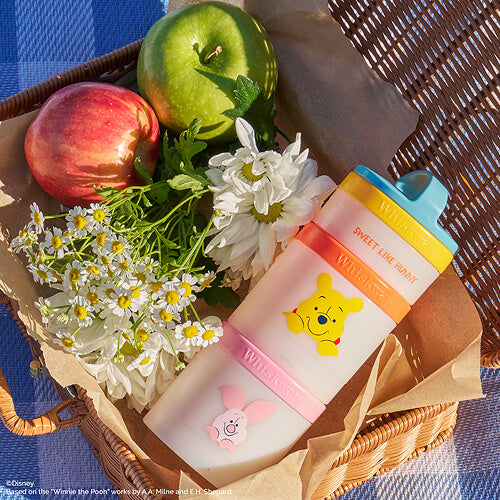
And if your family loves hands-on moments together, this is a great time to build little rituals—like prepping snacks in snacking containers for busy days, or mixing weekend pancakes with your favorite Whiskware tools. These small traditions help kids feel connected, capable, and excited about the habits they’re building.
One season, one simple goal, and lots of encouragement along the way—that’s where the real magic happens.