
Encouraging Independence in Kids (in Everyday, Doable Ways)
When we think about raising independent kids, it’s easy to picture big milestones—riding a bike without training wheels, walking into school on their own, managing a packed schedule with confidence. But independence doesn’t actually start with those moments. It’s built much earlier, in the small, everyday routines that quietly shape how kids see themselves.
Encouraging independence doesn’t mean stepping back or taking a hands-off approach to parenting. It means giving kids safe, supported opportunities to try—while knowing you’re right there if they need help. Those little chances to make decisions, practice skills, and take responsibility help kids build confidence over time, without feeling overwhelmed or rushed.
The good news? Independence doesn’t have to be complicated or time-consuming. Some of the best opportunities already exist in your day, woven into routines your kids know well. Things like getting dressed, helping clean up, and yes—snack time. When kids are invited to participate in familiar tasks, they start to feel capable and proud of what they can do on their own.
In this post, we’ll share simple, age-appropriate ways to encourage independence in everyday moments that make kids feel confident, included, and ready to take the lead in small but meaningful ways.
What Independence Looks Like at Different Ages
Independence doesn’t look the same at every stage—and it’s not something kids either have or don’t have. It grows through guidance, repetition, and everyday practice, all at a pace that makes sense for each child.
Toddlers: Helping, Choosing, Copying
At this age, independence often shows up as a strong desire to help and imitate. Toddlers build confidence by copying what they see, making simple choices, and participating in small tasks alongside you.
This might look like:
-
Choosing between two outfits
-
Carrying their own items
-
Helping put toys or books away
The focus here isn’t doing things perfectly—it’s giving toddlers space to try, with encouragement and support.
Preschoolers: Participating, Practicing Routines
Preschoolers are learning how routines work. When expectations are clear and consistent, they’re more likely to participate and take responsibility for familiar tasks.
This can include:
-
Helping with simple household jobs
-
Cleaning up after activities
-
Following daily routines with gentle reminders
Repetition is key at this stage. The more chances they have to practice, the more confident they become.
Early Elementary: Taking Ownership of Small Tasks
As kids move into early elementary years, independence starts to look like ownership. They’re ready to manage simple responsibilities with less hands-on help.
Examples might include:
-
Getting themselves ready in the morning
-
Keeping track of personal belongings
-
Completing age-appropriate chores
Support still matters, but it often looks like check-ins rather than step-by-step direction.
Big Kids: Planning, Preparing, and Problem-Solving
For older kids, independence is about thinking ahead and handling responsibility with growing confidence. They’re learning to plan, manage their time, and solve problems on their own.
This can look like:
-
Organizing schoolwork or activities
-
Managing routines with minimal reminders
-
Working through challenges and adjusting when things don’t go as planned
At this stage, independence is less about tasks and more about trust—both in their abilities and in your support.
Simple Ways to Build Independence Without Pressure
Encouraging independence doesn’t have to mean adding more to your plate. It often works best when it’s built into routines your kids already know and feel comfortable with. A few small shifts can go a long way—without turning everyday moments into power struggles.
Offer structured choices.
Instead of open-ended questions, give kids two clear options. This helps them practice decision-making while still keeping boundaries in place.
Try this today:
Let your child choose between two outfits, two snacks, or two activities—both options you’re already comfortable with.
Build independence into familiar routines.
Kids feel more confident when they know what to expect. Look for moments in daily routines where they can take on a small role.
Try this today:
Pick one routine—morning, after school, or bedtime—and let your child be responsible for one consistent step.
Let kids do part of a task, not the whole thing.
Independence doesn’t have to be all-or-nothing. Small responsibilities still build confidence and reduce overwhelm.
Try this today:
Have your child help with one step of a task, like putting items away or setting out what they’ll need for later.
Focus on consistency over perfection.
Things won’t always go smoothly, and that’s okay. Regular practice matters more than getting it “right.”
Try this today:
Stick with one small responsibility for a full week before adding anything new.
Supporting Independence While Staying Involved
Independence doesn’t mean kids are expected to figure everything out on their own. In fact, kids often feel more confident trying new things when they know a parent is nearby, encouraging them along the way.
As kids practice independence, your role naturally shifts. Instead of doing things for them, you’re there to guide, support, and reassure. This kind of involvement helps kids build confidence without feeling pressured or overwhelmed.
One helpful way to think about this is “coaching from the sidelines.” You’re still present and paying attention—you’re just giving kids the space to try while knowing help is available if they need it.
What coaching from the sidelines can look like:
-
Asking questions instead of fixing: “What do you think the next step is?”
-
Giving reminders instead of taking over: “What comes next in your routine?”
-
Staying calm when things take longer or get messy, and reminding yourself that learning takes practice
These small shifts help kids trust their own abilities while still feeling supported. Independence isn’t about doing less as a parent—it’s about being involved in a way that builds confidence over time.
Snack Time as a Confidence-Building Opportunity
When it comes to building independence, snack time is one of the easiest places to start. It’s low pressure, happens every day, and gives kids a chance to practice real skills without high stakes. There’s no big cleanup, no strict timeline, and plenty of opportunities to try again tomorrow.
Because snack routines are so repeatable, kids quickly learn what’s expected—and that familiarity makes them more willing to take the lead.
Why snack prep works so well for building independence:
-
It’s low stakes: snacks don’t have to be perfect to be successful
-
It’s repeatable: the more kids practice, the more confident they feel
-
It’s built into everyday life, not added on as “one more thing”
As kids get more comfortable, they can take on age-appropriate snack responsibilities that grow with them.
Snack responsibilities can include:
-
Choosing between pre-approved snack options
-
Packing their own snack containers
-
Refilling snack supplies as needed
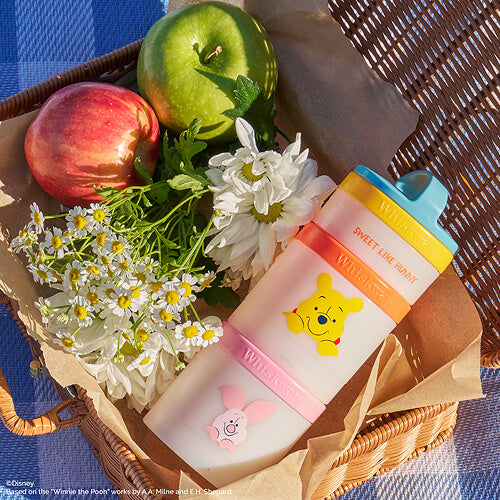
The right tools can make these moments feel easier—for kids and parents. Kid-friendly snack containers are designed to support independence with features like easy-open lids, portion-friendly compartments, and secure closures that help reduce spills and messes. When kids can open, close, and carry their own containers successfully, they feel capable—and that confidence carries into other parts of their day.
Snack time doesn’t have to be another thing you manage from start to finish. With simple routines and the right setup, it can become a daily opportunity for kids to practice independence in a way that feels achievable and empowering.
Creating a Snack Station That Encourages Independence
A dedicated snack station can be a game-changer when it comes to encouraging independence. By giving kids a space that’s designed just for them, you’re setting clear expectations about what they can access—and showing them you trust them to make choices within those boundaries.
When snacks are stored in a consistent, kid-friendly spot, kids don’t have to ask for help every time they’re hungry. Instead, they learn how to assess options, make decisions, and take responsibility for their choices—all on their own timeline.
What kids can safely access on their own
A successful snack station is stocked with pre-approved options, so kids can choose independently without needing constant guidance. This might include shelf-stable snacks, pre-portioned items, or containers that are already packed and ready to grab.
Why visual organization matters
Clear containers, simple labels, and consistent placement make it easier for kids to understand what goes where. When kids know how the snack station works, they’re more likely to use it successfully—and clean up after themselves.
How routines and the right containers make independence stick
Pairing a snack station with easy-to-use snack containers helps reinforce independence over time. Containers that are simple to open, carry, and close allow kids to manage snack time confidently, with fewer spills and frustrations. When the system stays the same day after day, kids know exactly what to do—and that consistency builds lasting confidence.
A snack station doesn’t have to be complicated to be effective. With a thoughtful setup and the right tools, it becomes another everyday routine where kids can practice independence in a way that feels natural and achievable.
Want to go deeper?
For step-by-step tips on setting up a snack station that works for your family, check out our blog post: The Snack Station System: A Simple Way to Make Snack Time Easier
Independence Is Built One Small Moment at a Time
Independence doesn’t come from big, overnight changes. It’s built gradually, through small responsibilities that add up and everyday routines kids can count on. Each time kids are given a chance to try—whether they succeed right away or not—they’re learning that they’re capable.
Routines play a powerful role in that confidence. When kids know what to expect and what’s expected of them, they feel more comfortable stepping in and taking responsibility. Over time, those familiar moments become opportunities for growth.
Most importantly, encouragement matters more than doing things “right.” Progress isn’t always neat or efficient, and that’s okay. What kids remember most is feeling supported, trusted, and capable—with you right there cheering them on as they learn.