The Snack Station System: A Simple Way to Make Snack Time Easier
Snack time isn’t a once-a-day thing. It happens after school, between meetings, before practice, and usually right when you’re trying to focus on something else. All those small decisions add up fast—for parents and kids alike.
A snack station takes the guesswork out of it. Instead of negotiating every snack or fielding constant questions, you create a simple structure that helps kids make their own choices without snacks feeling overly controlled or restricted.
The goal isn’t perfection or rigid rules. It’s giving kids a little independence while giving parents fewer interruptions throughout the day. When snack time runs itself, everything else feels easier too.
What Is a Snack Station?
A snack station is a designated pantry and fridge setup where kids can build or grab their own snacks throughout the day. Everything has a place, options are easy to see, and kids know exactly where to go when they’re hungry.
It’s designed to grow with your family. For younger kids, snacks can be pre-packed and ready to grab. As kids get older, the same setup easily shifts to a self-serve system where they build their own snacks with a little guidance.
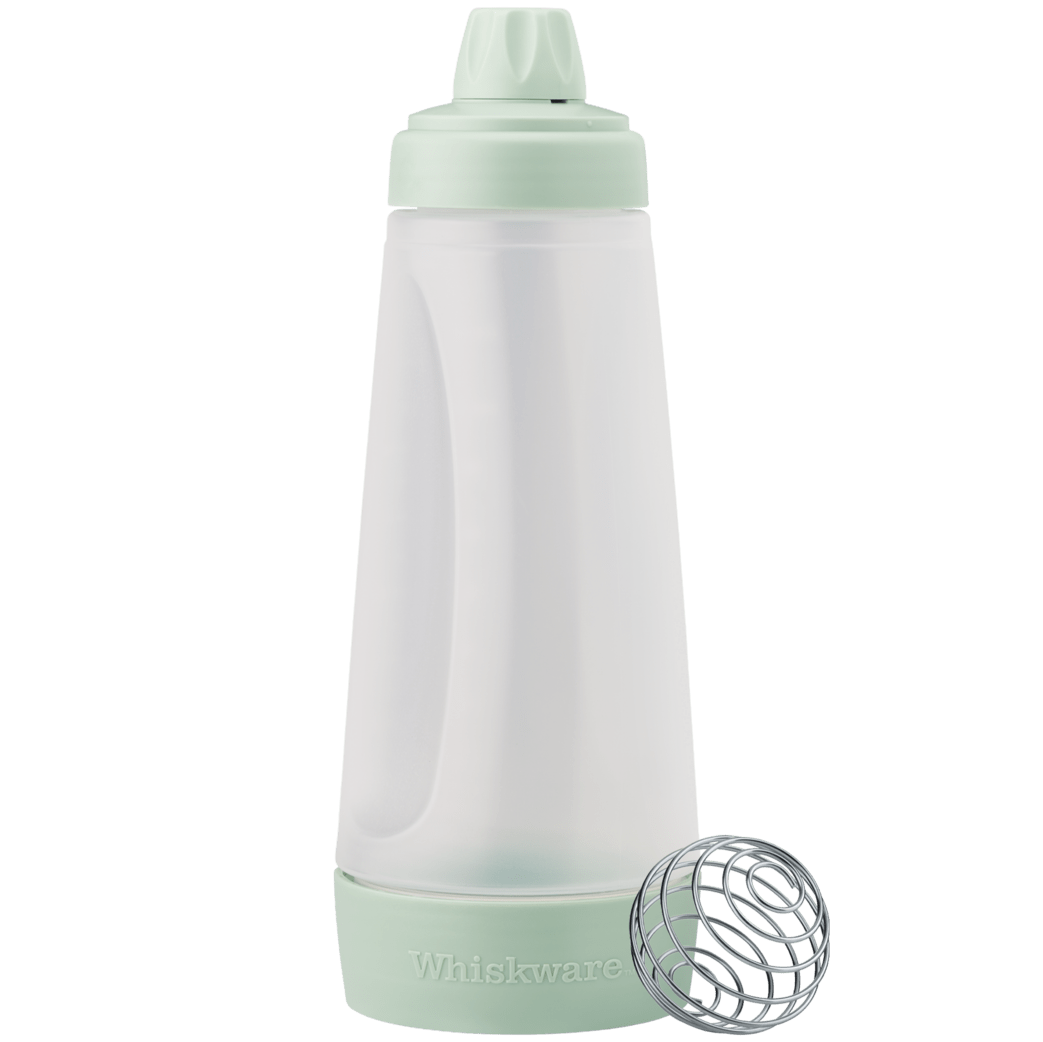
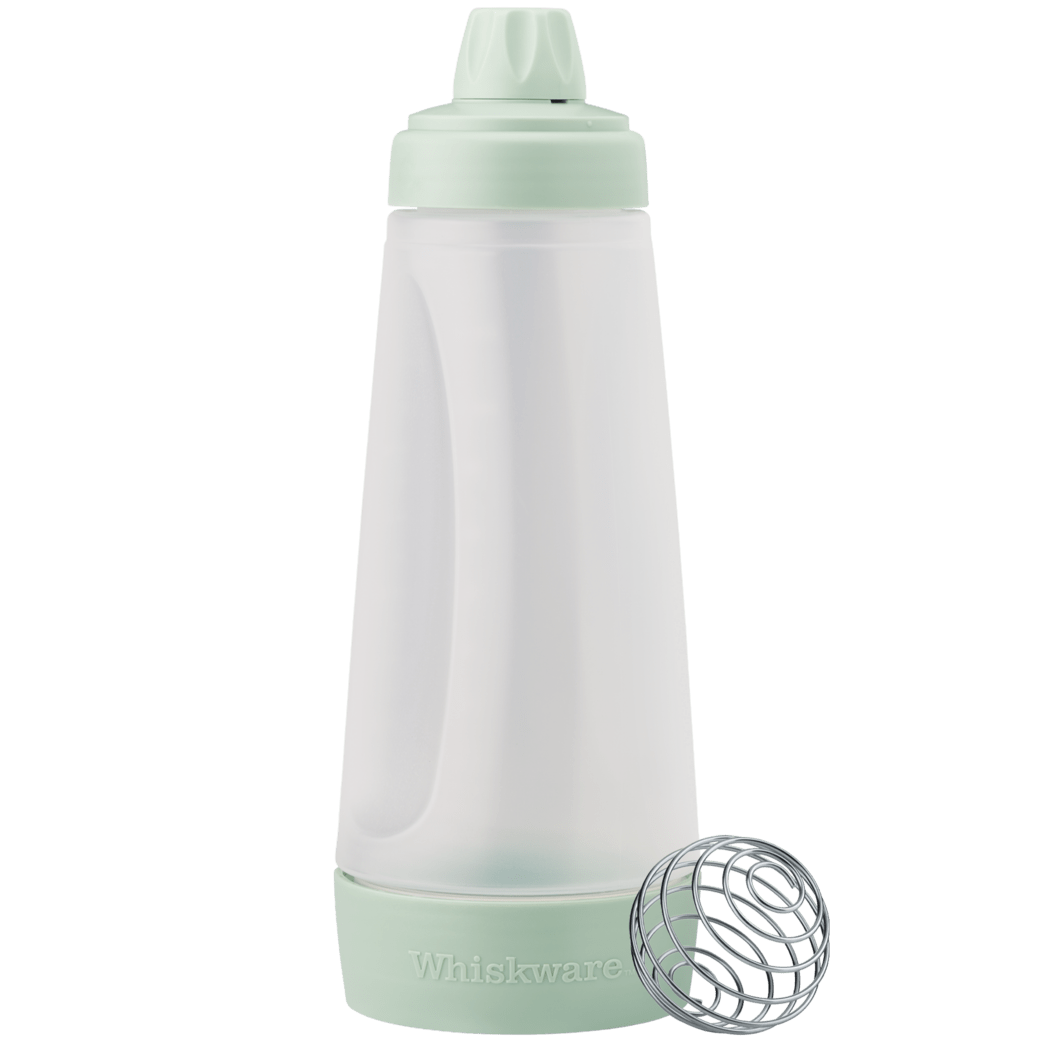
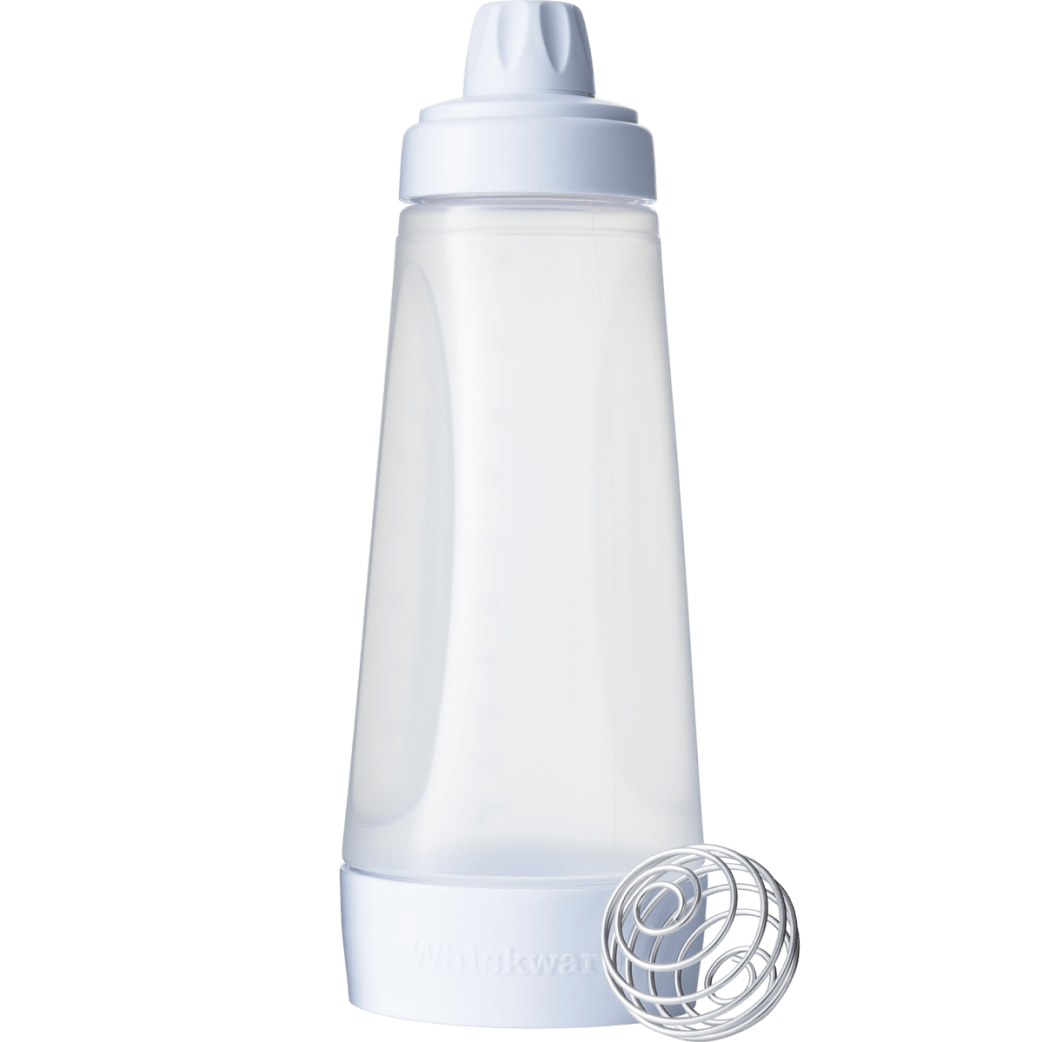
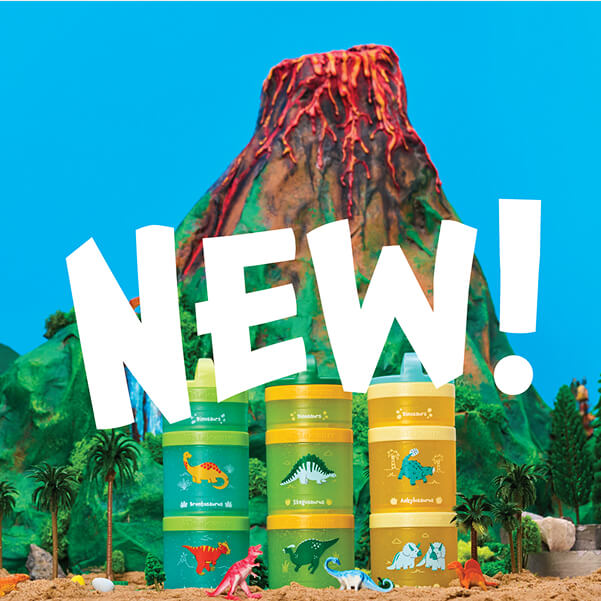
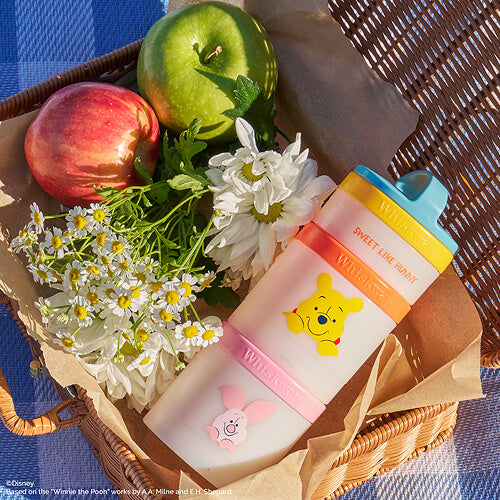
At the center of it all is a simple container system that keeps portions manageable and choices balanced. Whiskware containers make this especially easy, with clearly separated sections that help kids combine different foods into one snack—without overthinking it.
The Build-Your-Own Snack System (Top, Middle, Bottom)
The easiest way to make a snack station work is to keep the system simple and repeatable. Instead of focusing on rules or restrictions, this approach helps kids build a balanced snack using three clear sections: top, middle, and bottom.
Each section of the container has a purpose, which makes snack choices easier for kids and prep simpler for parents. Whether snacks are pre-packed ahead of time or built on the spot, this system creates consistency without sacrificing flexibility.
Bottom Jar: The Base (Crunchy + Filling)
The bottom jar is the foundation of every snack and the place to start. It provides the bulk of the snack and helps keep kids satisfied longer.
Options include:
-
Pretzels
-
Goldfish
-
Crackers
-
Popcorn
-
Cereal
-
Small cheese cubes
Position the bottom jar as the “start here” piece of the snack—once this is filled, the rest comes together easily.
Middle Jar: The Fresh Pick (Fruit or Veggie)
The middle jar is where fruits and vegetables fit into the snack. This part of the system helps add variety and balance without making snack time feel overly structured.
Keeping fresh options washed, cut, and easy to grab makes it simpler for kids to build their own snacks independently. When everything is ready ahead of time, the middle jar becomes just as easy to fill as the crunchy base.
Fruit options:
-
Apple slices
-
Grapes
-
Strawberries
-
Blueberries
-
Orange slices
-
Banana slices
Vegetable options:
-
Baby carrots
-
Cucumber slices
-
Bell pepper strips
-
Snap peas
The middle jar is a simple way to work fresh foods into everyday snacking without adding extra steps for parents.
Top Jar: The Fun Bite (Small Treat)
The top jar is the smallest section of the container by design. It’s meant for a small treat that adds variety without taking over the snack.
This part of the system isn’t about restriction. It’s about being intentional and keeping treats part of snack time in a way that feels simple and predictable.
Options include:
-
Chocolate chips
-
Yogurt-covered raisins
-
Mini cookies
-
Teddy grahams
-
Fruit snacks
The top jar gives kids a clear place for treats while keeping the overall snack balanced and easy to build.
How to Set Up a Self-Serve Snack Station
A self-serve snack station works best when everything is easy to see, easy to reach, and easy to put back. The goal is to set things up once in a way that supports independence and keeps snack time moving without extra questions.
Pantry Setup
Choose lower shelves or bins that kids can access on their own. Keeping snacks within reach makes it easier for kids to serve themselves and stick to the system.
Group dry snacks by jar type so kids know what goes where:
-
Base options
-
Fresh add-ins if they’re shelf-stable
-
Fun bites
Using clear containers helps kids see what’s available at a glance and make decisions independently without pulling everything out.
Fridge Setup
Designate one drawer or shelf in the fridge specifically for snack-ready foods. This becomes the go-to spot for the middle jar options.
Keep fruits and vegetables washed, cut, and visible so they’re just as easy to grab as pantry snacks. If you’re pre-packing snack containers for the week, store them front and center so kids can grab and go without help.
What If Your Kids Are Too Little to Build Their Own?
The same snack station system still works for younger kids—parents just handle the assembly. Instead of kids building their own snacks, you pre-pack containers using the same top, middle, bottom formula.
Prepping several Whiskware containers at a time makes snack time easier throughout the week. Once they’re packed, store them where kids can easily grab and go without needing help.
As kids get older, this setup transitions naturally to a self-serve snack station. The structure stays the same, and kids gradually take on more independence without changing the system.
Why This System Works
A snack station built around a simple container system takes a lot of the daily friction out of snack time.
It reduces the number of decisions parents and kids have to make throughout the day, while still offering choice. Because each part of the snack has a role, kids learn how to build balanced snacks on their own—without constant reminders or micromanaging.
This system also makes restocking easier. When everything has a place, it’s obvious what’s running low and what needs to be refilled. The structure stays consistent, but the snack options can change, which keeps things predictable without feeling boring.
Start Simple and Adjust as You Go
Snack stations don’t have to be perfect to be effective. A few well-chosen options and a clear system go a long way in making everyday routines feel calmer.
Start small, adjust based on what your family actually eats, and let the system do the work for you. Over time, snack time becomes one less thing to think about—and that’s a win.